



Blog
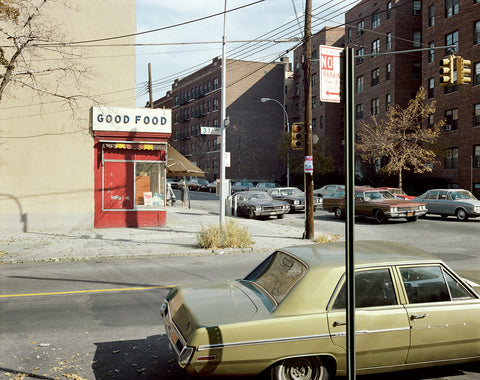
Coaches use the mental image of the ball going in the hoop as a way of coordinating all of the muscular activity. And if the player has innate ability and has spent so many hours practicing that they have ingrained, muscular understanding, the player can focus on the image and their body will do the rest. Likewise, a photographer who has spent years consciously examining how the world is translated by the camera into a photograph can use a mental image to coordinate all of the myriad decisions that go into organizing a picture.
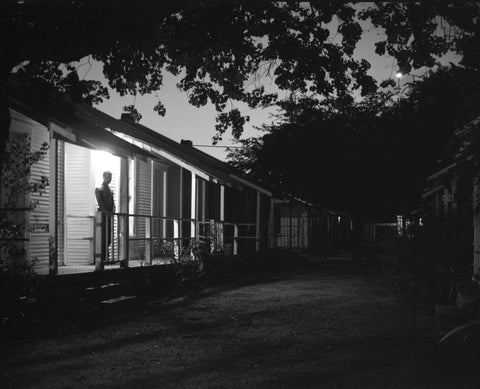
These images are an attempt at maintaining the integrity of the space they have claimed, visceral and existential. They reverberate in varying frequencies of belonging. They set their gaze on the rhythms, vibes, and musical patterns that make up Black life in a certain section of Third Ward. Even though the spaces they inhabit have been broken in, hollowed out, and formed over a number of generations to their Black presence, somewhere there lingers doubt. Our history (for I am a Black man), if we are honest, does not lend itself to a solid belief in “the American franchise.”

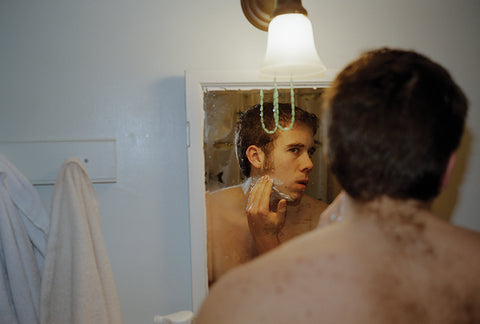
When I start feeling jaded – about photography or the world at large – I try to remember what it felt like when I first immersed myself in art as a teenager. These books help spark that feeling.
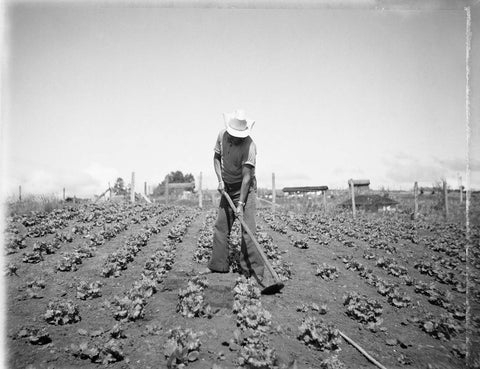
In Zinacantán, ten children—five boys, five girls—gathered for my photography class. Antonio, the teacher of Tzotzil, carried in tiny wooden chairs. The girls sat on one side of the room, the boys on the other. I showed them postcards by local photographers and asked them to point out everything they could see in the pictures. They hesitated at first, but as they caught on and started naming things, they began to laugh. Anastasio, a boy wearing an especially bright pink poncho, asked why I was showing them pictures of these people. Were they very good people from whom they must learn how to live?
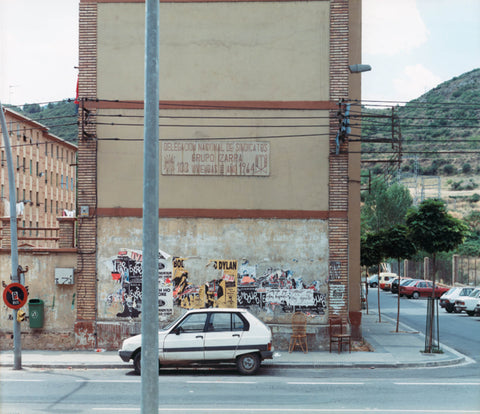
What interests him is the very brief moment when the view becomes an image; for Guidi, this is where beauty lies, when the infinite possibilities offered by peri-urban spaces take form and become visible. This is a new form of radicalism in the history of the medium, a radicalism of involvement and solidarity with what he photographs, as if it were the very expression of his genes.